

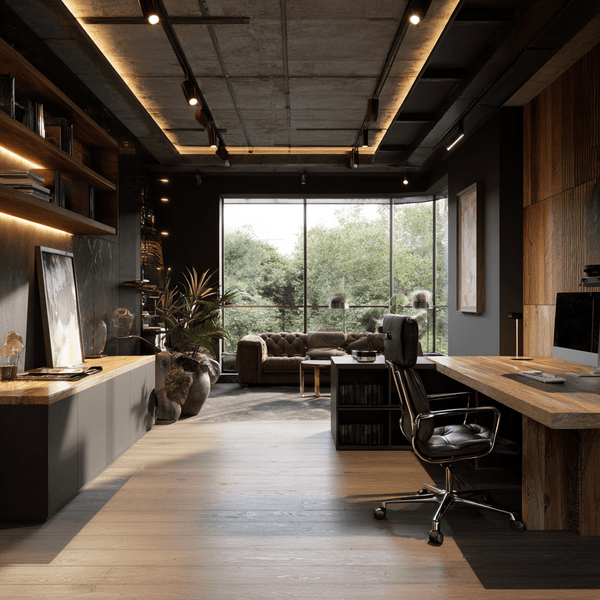
Feng shui for business, illustration of an office that is balanced with harmony with different elements.

How to Use AI as Your Feng Shui Business Consultant

By Daclaud Lee, SEO and AI Prompter at Archmore Business Web.

What if you could turn AI into your personal Feng Shui consultant for business? Instead of guessing layouts, colors, and flow, you can use ChatGPT to apply structured design principles with precision. Here’s how to use ChatGPT to optimize your space, brand, and environment for alignment and results.

Why Feng Shui Matters in Business

Feng Shui is more than just aesthetics, it’s about how your environment influences behavior, decision making, and perception. In a business setting, the way a space is arranged can impact focus, productivity, and even how clients feel when they interact with your brand. A well structured environment creates clarity, while a poorly designed one creates friction.

From a practical standpoint, Feng Shui aligns closely with principles of organization, flow, and intentional design. Clean layouts, proper lighting, balanced spacing, and thoughtful positioning all contribute to a workspace that feels efficient and controlled. Whether it’s an office, storefront, or rental property, these elements directly affect how people experience the space.

In today’s competitive landscape, small advantages matter. Businesses that pay attention to their environment often come across as more professional, more trustworthy, and more established. Feng Shui provides a framework to refine that environment, turning your physical space into something that supports performance instead of working against it.

An office that is feng shui optimized for a business, with proper lighting and plant placement

How to Use ChatGPT to Improve Your Office Feng Shui

If you know what to ask, ChatGPT can turn Feng Shui from a vague concept into a practical system you can actually apply. Instead of guessing layouts, colors, and design choices, you can use targeted prompts to get structured, usable recommendations. Here are examples of how to use ChatGPT to refine your workspace and create a more intentional business environment.

How should I arrange my office layout based on directional facing?

You can describe the direction your office faces and ask ChatGPT how to position your desk, entrance, and key furniture. It can suggest placements that align with Feng Shui principles like command position and energy flow. This helps create a layout that feels more controlled and intentional. Over time, this can improve focus and decision making.

What colors should I use for my business based on my brand and Feng Shui principles?

Ask ChatGPT to recommend a color palette that aligns with both your brand and Feng Shui elements. You can specify a theme or color palette, so it stays within your preferred style. It will suggest colors tied to elements like wood, fire, earth, metal, and water. This creates a cohesive and psychologically appealing environment.

How can I improve energy flow in my workspace?

You can ask ChatGPT to evaluate your current setup and identify areas where energy might feel blocked. It may recommend repositioning furniture, clearing clutter, or opening pathways. These adjustments make the space feel more open and functional. Better flow often translates into better productivity.

What Feng Shui elements should I incorporate into my office?

ChatGPT can suggest which elements to introduce based on your goals, such as growth, stability, or creativity. For example, plants for growth or metal accents for clarity. You can tailor this to your specific business needs. This helps create a balanced environment that supports your objectives.

Where should I place my desk for maximum authority and focus?

You can ask ChatGPT about the “command position” and how it applies to your office. It will recommend placing your desk where you can see the entrance without being directly in line with it. This positioning creates a sense of control and awareness. It also improves confidence during work and meetings.

What type of lighting works best for productivity and Feng Shui?

Ask ChatGPT to analyze your current lighting and recommend improvements. It may suggest a mix of natural light, warm ambient lighting, and task lighting. Proper lighting reduces strain and improves mood. It also enhances the overall energy of the workspace.

How can I Feng Shui my business entrance to attract clients?

You can ask ChatGPT how to design your entrance for better first impressions. It may suggest keeping it clean, well lit, and visually inviting. The entrance is considered the “mouth of energy” in Feng Shui. A strong entrance can influence how customers perceive your business immediately.

What plants or decor should I add to improve my workspace?

ChatGPT can recommend specific plants or decor based on your environment and goals. For example, certain plants are associated with growth and prosperity. It can also suggest placement for maximum impact. This adds both aesthetic and functional value to your space.

How can I Feng Shui a small office or tight space?

If you have limited space, ChatGPT can suggest ways to maximize efficiency and flow. It may recommend multi-functional furniture and strategic placement. Even small adjustments can make a big difference. The goal is to avoid clutter and create a sense of openness.

How can I align my workspace with productivity and financial growth?

You can ask ChatGPT to align Feng Shui principles with your business goals. It may suggest activating certain areas tied to wealth or success. This includes layout, colors, and symbolic elements. The result is a workspace designed to support both performance and growth.

Feng Shui 101: The Basics Explained

Feng Shui is all about arranging your space so it feels balanced, comfortable, and easy to move through. Think of it like setting up your room so everything just “flows” better and nothing feels off. You don’t need to be an expert to use it, just understand a few simple rules and you can start improving your space right away.

What Is Energy Flow (Chi)?

In Feng Shui, everything is about “energy flow,” also called Chi. This just means how people, light, and movement travel through a space. If a room is cluttered or blocked, the energy feels stuck. If it’s open and organized, it feels smooth and easy.

Keep Your Space Clean and Uncluttered

Clutter is one of the biggest problems in Feng Shui. Too much stuff makes a space feel heavy and stressful. Keeping things clean and organized helps your mind feel clearer and more focused. Simple rule, if you don’t need it, don’t keep it.

The Command Position (Where You Sit Matters)

Your desk or main seat should be in a spot where you can see the entrance without being directly in front of it. This gives you a sense of control and awareness. It’s like being able to see what’s coming instead of having your back turned. This helps you feel more confident and focused.

The 5 Elements of Feng Shui

Feng Shui uses five basic elements to create balance in a space. Each one represents a different type of energy.

Wood

Wood represents growth and creativity. You can add this with plants, wooden furniture, or green colors. It helps a space feel alive and fresh.

Fire

Fire represents energy, passion, and action. This can be candles, lights, or red colors. It adds warmth and excitement to a room.

Earth

Earth represents stability and grounding. Think of stones, ceramics, or earthy colors like brown and beige. It makes a space feel calm and steady.

Metal

Metal represents focus and clarity. You can use metal objects, white or gray colors, and clean shapes. It helps with organization and precision.

Water

Water represents flow and opportunity. This can be mirrors, fountains, or dark colors like blue and black. It brings a sense of movement and calm.

How Does Feng Shui Work?

Feng Shui is an ancient Chinese system focused on arranging your environment to create balance, harmony, and optimal flow. At its core, it’s about how physical spaces influence energy, behavior, and perception. In practical terms, this translates into layout, positioning, lighting, colors, and how people move through a space.

While often associated with spirituality, Feng Shui can also be viewed as a structured approach to design and organization. When applied correctly, it improves clarity, reduces friction, and creates an environment that supports productivity, focus, and well-being. In a business context, that means better workflow, stronger first impressions, and a more intentional brand presence.

The History of Feng Shui

Feng Shui dates back over 3,000 years in ancient China and was originally used to determine the placement of cities, buildings, and even burial sites. Early practitioners studied land formations, water flow, and directional alignment to create harmony between humans and their surroundings. Over time, these observations evolved into a formal system with defined rules and frameworks.

As the practice developed, tools like the Bagua map and the Luo Pan compass were introduced to guide placement and orientation. Feng Shui eventually spread beyond China and became widely used in architecture, interior design, and urban planning. Today, it continues to evolve, blending traditional principles with modern applications in homes, offices, and commercial spaces.

How Feng Shui Applies to Business and Life

Feng Shui is not limited to physical spaces, it extends into how you structure your daily life and decision making. In business, it can influence everything from office layout and branding to customer experience and workflow efficiency. In life, it applies to your home environment, habits, and how you organize your time and energy.

When you start thinking in terms of alignment and flow, you begin to eliminate friction in both work and personal life. The goal is not perfection, but intentional design. Whether you are optimizing a workspace or improving your living environment, Feng Shui provides a framework to create spaces and systems that support growth, clarity, and long-term success.

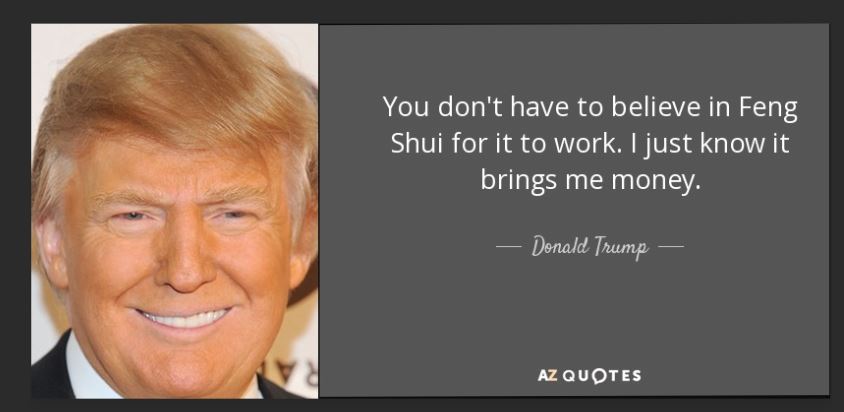
Donald Trump quoted saying: I don't even believe in Feng Shui, but I know it makes me money.

Business Owners and Companies That Use Feng Shui

Feng Shui is more common in business than people realize, especially in real estate, hospitality, and corporate office design. While not every leader openly advertises it, many incorporate its principles into layout, branding, and decision making.

Donald Trump

Trump has reportedly consulted Feng Shui experts in the design of several properties, including Trump International Hotel Tower in New York. Elements like entrance placement, water features, and interior flow were influenced by Feng Shui principles to attract wealth and positive energy.

Oprah Winfrey

Oprah has spoken about being intentional with her living and working environments. While not strictly labeling it Feng Shui, her approach to space, energy, and intentional design aligns closely with Feng Shui philosophy, especially in creating calm, focused environments.

Jack Ma

Jack Ma has acknowledged the importance of Feng Shui in business culture, particularly in China. Many companies in Asia, including Alibaba, consider office layout, building orientation, and design elements to ensure alignment with traditional principles.

Richard Branson

Branson emphasizes environment, energy, and experience in both office and hospitality design. While not explicitly calling it Feng Shui, his focus on flow, openness, and atmosphere reflects similar principles used to enhance productivity and creativity.

HSBC

HSBC is one of the most well-known corporations to incorporate Feng Shui into architecture. Their Hong Kong headquarters was designed with Feng Shui consultants, including building orientation and the famous rooftop cannons to redirect negative energy.

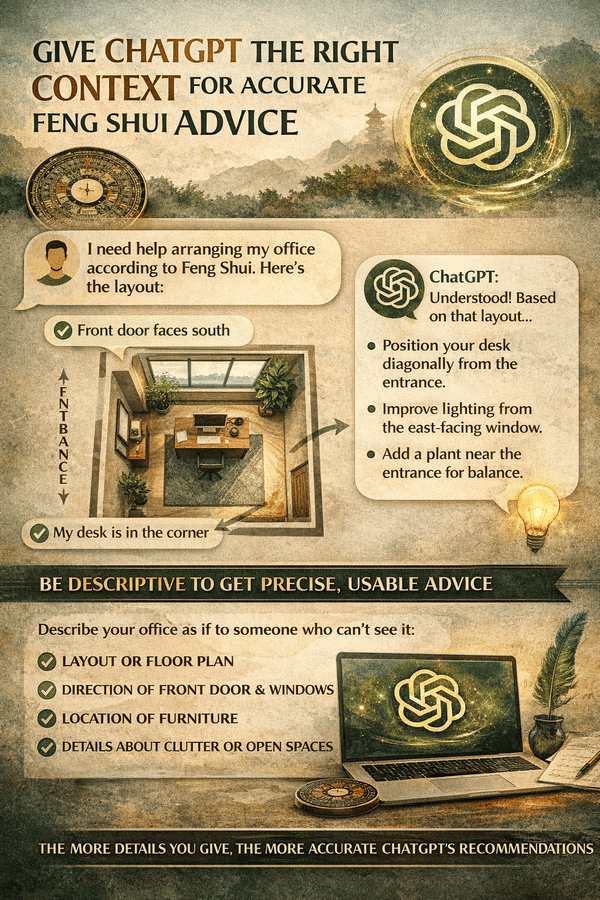
Give ChatGPT the Right Context for Accurate Feng Shui Advice

ChatGPT is only as effective as the information you give it. It does not see your space, so you need to describe everything clearly, including which direction your front door and windows face, the size of the room, and where furniture is currently placed. The more specific you are, the more accurate and usable the recommendations will be.

Think of it like explaining your layout to someone who cannot see. Walk through the space step by step. Describe where the entrance is, what you see when you walk in, where your desk sits, where light comes from, and how people move through the room. This level of detail helps AI “map” your environment in a way that leads to better suggestions.

If you leave out key details, you risk getting generic or incorrect advice. Small things like window placement, door direction, or even clutter can completely change Feng Shui recommendations. The goal is to remove guesswork by giving AI a full picture so it can give you precise, context-driven guidance.

Author Bio: Daclaud Lee

Daclaud Lee is an SEO specialist and digital strategist at Archmore Business Web, known for combining practical marketing strategies with unconventional frameworks like Feng Shui. He leverages tools like ChatGPT as a structured Feng Shui consultant, using it to analyze layouts, design choices, and environmental factors that influence both business performance and perception.

With hands-on experience as a real estate investor and landlord, Daclaud applies these principles in real world scenarios. Through direct application across multiple properties, he has found that when given the right context, AI-driven Feng Shui recommendations are surprisingly accurate and effective. His approach blends digital visibility, spatial design, and strategic positioning to help businesses and properties perform at a higher level.

Google Search Console in action

How to Use Google Search Console For Technical SEO

Google Search Console gives you a direct look at how Google discovers, crawls, indexes, and understands your website. By using real data from Google rather than relying on guesswork, you can identify indexing problems, crawl issues, Core Web Vitals concerns, and other technical problems that may be limiting your visibility in search results. In this guide, we’ll show you how we use Google Search Console for technical SEO to find problems, verify fixes, and help keep websites healthy and accessible to search engines.
Read More »
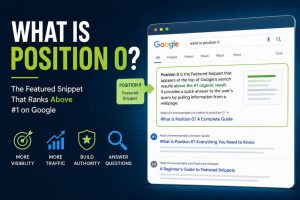
What is Position 0 cover showing an example

What is Position 0?

Ranking on the first page of Google is no longer the only goal. Many searches are answered before users even click a website, thanks to Position 0, also known as a Featured Snippet. Earning this coveted placement can dramatically increase your visibility, establish your business as an authority, and drive more qualified traffic, even above the #1 organic search result.

Read More »

How to Track SERP Position

Tracking your SERP (Search Engine Results Page) positions is one of the most important parts of any SEO strategy. By monitoring keyword rankings, businesses can measure the effectiveness of their SEO efforts, identify new opportunities, and spot ranking declines before they impact traffic and leads. Whether you’re managing a local business website or a national SEO campaign, knowing where your pages rank can help you make smarter marketing decisions.

Read More »

How to Get Your Business Cited by AI Using High-Authority Platforms

If you’re trying to rank in AI search results, your website alone isn’t enough anymore. The platforms AI trusts most are places like Reddit, YouTube, LinkedIn, and Yelp, where real content and engagement happen daily. If your business isn’t showing up on these sites, you’re missing a major piece of the visibility game.

Read More »