
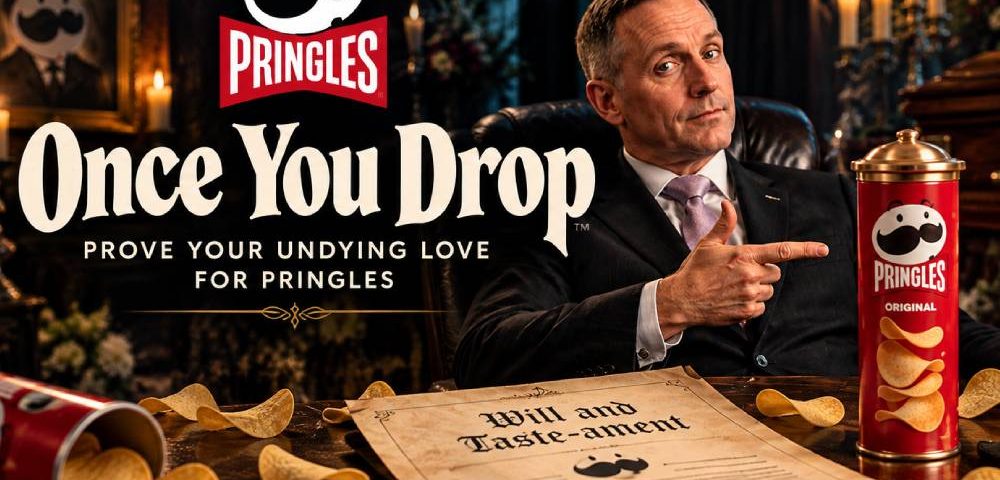


Pringles Once You Drop Halloween Marketing
By Daclaud Lee – SEO / AEO Consultant
What if your favorite snack company offered to bury you in its packaging when you die? That’s essentially the premise behind the Pringles Once You Drop Halloween contest, a bizarre new marketing campaign offering one lucky fan a custom Pringles-can urn and an “afterlifetime” supply of potato crisps. It’s a promotion that combines funeral humor, influencer marketing, and a genuinely strange piece of company history.
What Is the Pringles Once You Drop Halloween Contest?
The Pringles Once You Drop contest is a Halloween sweepstakes inviting fans to demonstrate their devotion to the brand by signing a humorous document called the “Will and Taste-ament.” Participants symbolically pledge to have their ashes placed in a Pringles can after death for a chance to win an unusual grand prize.
One randomly selected winner will receive a custom-designed, personally engraved Pringles urn made from metal, along with what the company describes as an “afterlifetime” supply of Pringles.
The promotion takes the brand’s familiar “Once You Pop” identity and gives it a morbid Halloween twist. Apparently, not even death can stop a truly committed Pringles fan.
Get Buried in a Pringles Can
The campaign launched on October 13, 2026, and has already attracted coverage from major news outlets, including the New York Post, USA Today, and Yahoo. Pringles has also recruited a real funeral director and social media personality to help deliver its unusual message.
From a marketing perspective, I find this fascinating. The campaign embraces the kind of absurdist dark humor that resonates with many younger internet audiences. It also demonstrates how a major consumer brand can generate publicity through social media, influencers, and earned media.
But while researching the contest, I noticed something else. Finding the actual Pringles Halloween contest website was surprisingly difficult, despite all the publicity surrounding it.
That raises an interesting question: Is Pringles deliberately prioritizing viral marketing over search engine optimization, or is the company overlooking an opportunity to capture additional traffic from people searching for its campaign?
What Can You Win in the Pringles Urn Contest?
According to the official sweepstakes rules, the grand prize has a total approximate retail value of $28,580, consisting of:
- A custom Pringles-can urn valued at $500.
- $28,080 in cash, representing one can of Pringles per week for 200 years.
Despite the marketing language, the winner won’t receive a warehouse containing two centuries of potato crisps. The snack portion of the prize is awarded as cash.
The custom urn, however, is real. It’s designed to resemble the familiar cylindrical Pringles container, complete with a removable lid and personalized engraving.
But Where Is the SEO? My Experience Finding OnceYouDrop.com
Don’t get me wrong. OnceYouDrop.com does rank in Google when you search for the campaign by its actual name. But here’s the problem: What happens when someone remembers the Pringles funeral promotion but can’t remember what the campaign is called?
That’s exactly what happened to me.
I work in search engine optimization and digital marketing, so whenever a major brand launches an unusual promotion, I’m naturally curious about how its campaign performs in Google Search. After hearing about the Pringles Halloween funeral contest, I wanted to find the official website and learn more about the promotion.
Unfortunately, I couldn’t remember the name “Once You Drop.” Instead, I searched for phrases that described what I remembered about the campaign, including:
Pringles Funeral Halloween Promo
Pringles Halloween Marketing Campaign 2026
Pringles Funeral Contest
Pringles Halloween Urn Promotion
What surprised me wasn’t the amount of coverage. There was plenty of it. Major news outlets were discussing the contest, explaining the unusual prize, and sharing the story behind the Pringles-can burial.
What surprised me was how much easier it was to find articles about the contest than the actual website where people could enter.
I performed multiple searches before finally locating OnceYouDrop.com. Once I remembered the campaign’s name, finding the official website became considerably easier. But that raises an important SEO question: Should consumers have to remember your marketing campaign’s exact name to find it?
On October 15, I searched Google for:
“pringles funeral once you drop”
The results included articles from Yahoo, the New York Post, and USA Today, followed by the official OnceYouDrop.com website and additional media coverage.
This tells us something important. The campaign website was indexed, and it was appearing in Google Search. Pringles wasn’t completely absent from organic search, nor was the website impossible to find.
However, even with the campaign name included in my search, several major news publications appeared ahead of the official landing page.
That isn’t necessarily unusual for a newly launched promotion. Established news websites often gain search visibility quickly when covering trending stories. But it creates an interesting challenge for consumers who remember the advertisement without remembering its official name.
From an SEO perspective, this is the difference between branded campaign searches and descriptive, non-exact-match searches. Ranking for “Once You Drop” is valuable, but consumers may search for the promotion using completely different language based on what they saw, heard, or remembered.
Someone who watched Dan the Funeral Man discussing a Pringles-can burial might search for “Pringles funeral commercial.” Another person who heard about the contest from a friend might search for “Pringles Halloween giveaway” or “Pringles buried in a can.”
These are all potential entry points into the same campaign.
And that’s where I see an opportunity. A well-optimized campaign landing page should ideally accommodate not only people who remember the campaign’s official name, but also those who remember its concept.
After all, a memorable marketing campaign doesn’t necessarily mean consumers will remember what you named it.
Why This Style of Marketing Appeals to Younger Audiences
Many younger internet users are accustomed to advertising that doesn’t resemble conventional advertising. They encounter brands through memes, creator collaborations, short-form videos, and deliberately ridiculous online conversations.
In that environment, an overly polished commercial explaining why a product tastes delicious can be easier to ignore than an advertisement that makes absolutely no sense at first glance.
Pringles isn’t asking viewers to compare ingredients or consider nutritional information.
It’s presenting an absurd hypothetical situation and inviting people to participate in the joke.
Of course, dark humor isn’t universally appealing, and not every Gen Z consumer enjoys jokes about death. However, the campaign demonstrates how brands can adapt their creative approaches to particular online audiences without abandoning their recognizable identity.
Meet Dan the Funeral Man: The Influencer Behind the Pringles Campaign
One of the smartest decisions behind the Pringles Once You Drop Halloween campaign is its choice of spokesperson.
Rather than hiring a conventional celebrity, Pringles partnered with Dan the Funeral Man, a real funeral director and social media creator known for discussing the funeral industry.
Dan appears in the official “Pringles | Once You Drop” commercial, delivering the campaign’s ridiculous premise with the professional demeanor of someone who actually works in funeral services.
The advertisement features a funeral-office setting, complete with traditional furnishings, an old-fashioned computer, and a Pringles can sitting prominently on the desk.
The presentation resembles a serious consultation about someone’s final arrangements, except the final resting place happens to be a snack container.
Why Influencer Authenticity Matters
This collaboration works because Dan’s professional background is directly relevant to the subject of the campaign.
A conventional celebrity could certainly make jokes about being buried in a Pringles can. But a real funeral director introduces an additional layer of credibility and deadpan humor.
The audience understands that Dan actually works in the industry being parodied.
That makes the contrast between professional funeral services and an absurd potato crisp promotion even more entertaining.
From a digital marketing standpoint, this is a useful example of selecting an influencer based on subject relevance rather than relying exclusively on celebrity recognition or follower counts.
The campaign was developed by BBDO New York and Weber Shandwick, with promotional content distributed through social channels and online video.
How Many Views Has the Pringles Once You Drop Commercial Received?
As of October 15, 2026, the official Pringles U.S. YouTube video titled “Pringles | Once You Drop” had accumulated:
- 8,087 views
- 148 likes
- Approximately two days of public availability
The commercial was uploaded on October 13, the same day the promotion launched.
These figures represent an early snapshot of the official YouTube video, not the campaign’s total audience reach.
Pringles is also generating attention through news coverage, social media sharing, and influencer-related publicity. The YouTube view count alone cannot establish how many people have encountered the campaign across all platforms.
Nevertheless, it provides a useful benchmark for examining the promotion during its opening days.
Pringles Is Using Social Media and Earned Media to Drive the Campaign
One of the most interesting aspects of the promotion is its apparent emphasis on social media and earned publicity.
The creative concept is tailor-made for sharing. It’s unusual, slightly uncomfortable, easy to explain, and connected to a recognizable consumer product.
It also offers journalists a headline that’s difficult to ignore.
A major snack company is giving someone a chance to be buried in a potato crisp can. That practically writes the headline itself.
And the publicity has followed.
Within days of the launch, major news publications were covering the contest. Articles appeared discussing the urn, the unusual prize, and the story of the Pringles can inventor.
This is earned media at work.
Rather than relying entirely on paid advertisements, Pringles has created a story that publishers have a reason to cover.
The New York Post Ranked First, but Where Was the Contest Link?
During my October 15 search, the New York Post occupied the number-one organic position for the campaign-related query I tested.
Its October 14 article covered the Pringles promotion, including the unusual burial concept and the cash value associated with the prize.
However, when I reviewed the article, I couldn’t find an outbound link directing readers to the official OnceYouDrop.com contest website.
That observation highlights a common weakness in digital publicity campaigns.
A publisher can generate substantial awareness of a promotion without providing readers with an obvious path to participate.
Someone might read the article, become interested in entering, and then have to return to Google to search for the official website.
That’s additional friction between awareness and conversion.
To be clear, publishers control their own editorial links. We cannot assume Pringles or its marketing agencies neglected to provide a link, and some other coverage does include the campaign website.
Nevertheless, the experience demonstrates that earning media coverage and generating website visits are not the same thing.
Why Links Matter in Digital PR and SEO
From an SEO standpoint, relevant links from reputable publications can help search engines discover pages and understand how websites relate to one another.
They can also provide direct referral traffic from interested readers.
But there’s an equally important usability consideration.
When someone reads an article about a contest, a direct link to the entry page makes participation easier.
Without that link, readers must take an additional step.
Some will search again. Others may lose interest.
For a promotion lasting only ten days, every unnecessary step in the customer journey is worth examining.
Does a Viral Halloween Campaign Really Need SEO?
Before criticizing Pringles’ organic search strategy, we need to consider what the company is actually trying to accomplish.
The Once You Drop contest runs for only ten days.
Traditional SEO campaigns generally operate on much longer timelines. Building organic search visibility can take weeks or months, depending on the website, competition, and search query.
A short-lived Halloween promotion doesn’t necessarily need the same strategy as a permanent service page or e-commerce category.
Pringles may be intentionally prioritizing social media, influencer distribution, and earned publicity because those channels can generate attention immediately.
That would be a reasonable strategic decision.
However, I don’t believe the two approaches need to be mutually exclusive.
Social Media Creates Demand. SEO Helps Capture It.
One of the most valuable effects of a viral campaign is that it encourages people to search for the brand or promotion.
Someone sees Dan the Funeral Man discussing the Pringles urn, hears about the contest from a friend, or reads a headline about being buried in a potato crisp can.
What happens next?
They may open Google and search for:
- Pringles Halloween contest
- Pringles urn contest
- Pringles funeral contest
- Pringles Once You Drop
- Pringles buried in a can
- How to enter the Pringles contest
These searches represent people who are already aware of the promotion and want additional information.
In marketing terminology, the campaign is generating demand, while organic search provides another opportunity to capture that demand.
Ideally, the official landing page should be easy to identify when consumers search for the promotion.
What I Would Examine in the Campaign’s SEO Strategy
If I were auditing OnceYouDrop.com, I would look at several specific areas.
Search-focused page titles and descriptions: Does the website clearly identify itself as the official Pringles Halloween contest in its search listing?
Campaign keyword targeting: Does the page contain enough relevant text for search engines to understand the contest, the urn giveaway, and the entry process?
Internal and external linking: How prominently is the campaign linked from Pringles’ established web properties, social profiles, and promotional materials?
Structured data and technical accessibility: Can search engines crawl the important campaign information, and are relevant structured-data opportunities being used appropriately?
Conversion experience: Can visitors quickly identify the prize, eligibility requirements, entry deadline, and official entry form?
These are questions for a technical audit, not claims that the campaign website necessarily fails in these areas.
Based on my initial search experience, the most obvious opportunity is simply making the official destination easier for interested consumers to find.
What Small Businesses Can Learn From the Pringles Halloween Campaign
Most small businesses don’t have access to the advertising budgets, national media relationships, or influencer partnerships available to a brand like Pringles.
However, several principles behind this campaign are applicable to businesses of almost any size.
Create Marketing Campaigns People Actually Want to Discuss
Pringles didn’t launch another ordinary product advertisement. It created an unusual story connected to its brand identity.
Small businesses can apply the same principle without copying the morbid humor.
A memorable promotion, unusual customer story, seasonal event, or creative local campaign can give people a reason to pay attention.
The objective is to create something distinctive enough to be remembered.
Work With Influencers Who Fit Your Industry
Dan the Funeral Man is an effective choice because his professional background connects directly to the creative concept.
For a small business, that might mean collaborating with a respected local professional, community organization, or creator whose audience overlaps with its target customers.
Relevance and credibility can be more valuable than raw follower counts.
Don’t Depend on Social Media Alone
Social media can generate attention quickly, but visibility on those platforms is unpredictable.
A website provides a destination where businesses can explain their offers, answer questions, and collect inquiries.
Even when social media is the primary promotional channel, the website should make it easy for interested visitors to take action.
Make Every Marketing Channel Work Together
A coordinated digital marketing campaign connects social media, search engines, website content, and publicity.
Someone might first encounter a promotion on TikTok, research it through Google, and finally complete a form on the company’s website.
Each stage should make the next step easier.
That’s why I believe SEO should be considered even when a campaign is primarily designed for social media.
It doesn’t need to dominate the strategy, but it can help capture the interest that other channels generate.
Final Thoughts: Pringles Has Created a Campaign to Die For
The Pringles Once You Drop Halloween contest is one of the more unusual examples of seasonal marketing I’ve encountered.
It combines a real piece of company history, an instantly recognizable product, a funeral-industry influencer, and the kind of absurdist dark humor that thrives on social media.
The campaign is memorable precisely because it’s ridiculous.
From a creative marketing standpoint, Pringles has developed a concept that gives consumers, journalists, and social media creators something worth discussing.
But the campaign also raises an important digital marketing question.
What happens when your publicity is easier to find than the website where people are supposed to take action?
My October 15 search experience suggests that Pringles’ media coverage was highly visible, while discovering the official contest website required additional effort.
That doesn’t mean the campaign is unsuccessful, and it doesn’t prove Pringles has neglected SEO. Its short promotional window may make social-first distribution the right priority.
What it does demonstrate is that viral attention, search visibility, and website conversions are different parts of the same marketing process.
For businesses that want to make the most of their marketing efforts, those pieces should work together.
At Archmore Business Web, we help businesses connect SEO, website content, and digital marketing strategy so potential customers can find the information they need and take the next step.
Because getting attention is valuable. Making that attention work for your business is even better.
About the Author
Daclaud Lee is a digital marketing professional, author, and business consultant who has worked in SEO since 2010. A graduate of Franklin University’s Digital Marketing program, he has spent more than 15 years helping businesses improve their online visibility through search engine optimization, website development, content strategy, and digital marketing.
Through his work as a SEO consultant, Daclaud combines hands-on SEO experience with a practical understanding of how businesses use their websites to attract customers and generate leads. He also writes on topics related to SEO, digital marketing, business, and technology.
More From the Blog
Want to learn more about SEO, website optimization, and digital marketing? Explore more articles from the Archmore Business Web Blog for practical tips, strategies, and insights you can use to improve your website and online visibility.
Continue exploring the Digital Marketing Journal and discover more ways to grow your online presence with Archmore Business Web.

SEO for Divorce Attorneys
When someone needs a divorce attorney, one of the first places they often turn is Google. A strong SEO strategy can help your law firm appear when potential clients are actively searching for divorce and family law services in your area. In this guide, we’ll cover practical SEO tips for divorce attorneys and explain how professional SEO can help your firm generate more qualified leads.
SEO Report Card
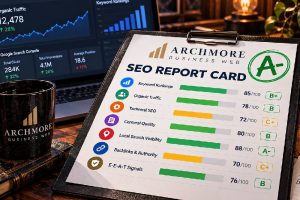
How well is your website actually performing in Google Search? An SEO Report Card gives you a straightforward look at your website’s search visibility, keyword rankings, content, technical SEO, and other important performance factors. We can generate an SEO Report Card to identify what your website is doing well, where problems may exist, and where there are opportunities to improve your rankings.
How to Use Google Search Console For Technical SEO
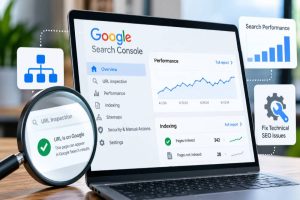
Google Search Console gives you a direct look at how Google discovers, crawls, indexes, and understands your website. By using real data from Google rather than relying on guesswork, you can identify indexing problems, crawl issues, Core Web Vitals concerns, and other technical problems that may be limiting your visibility in search results. In this guide, we’ll show you how we use Google Search Console for technical SEO to find problems, verify fixes, and help keep websites healthy and accessible to search engines.
What is Position 0?
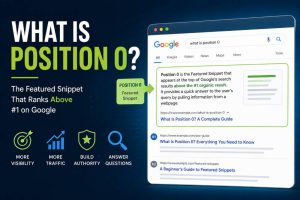
Ranking on the first page of Google is no longer the only goal. Many searches are answered before users even click a website, thanks to Position 0, also known as a Featured Snippet. Earning this coveted placement can dramatically increase your visibility, establish your business as an authority, and drive more qualified traffic, even above the #1 organic search result.

How to Track SERP Position
Tracking your SERP (Search Engine Results Page) positions is one of the most important parts of any SEO strategy. By monitoring keyword rankings, businesses can measure the effectiveness of their SEO efforts, identify new opportunities, and spot ranking declines before they impact traffic and leads. Whether you’re managing a local business website or a national SEO campaign, knowing where your pages rank can help you make smarter marketing decisions.
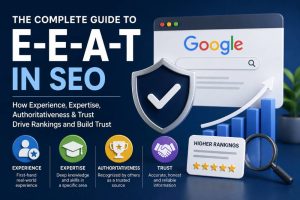
EEAT SEO Explained: Experience, Expertise, Authority & Trust
Google has become increasingly focused on content quality, credibility, and trust. That’s where E-E-A-T comes in, a framework Google uses to evaluate the Experience, Expertise, Authoritativeness, and Trustworthiness of content and the people behind it.
